Service

Parking Lot Striping in Austin, TX

Sharp lines, accurate layouts, and ADA / fire-lane markings that pass inspection — for Austin commercial properties.

Request a quick quote

Tell us about your property — we'll respond within one business day.

By submitting this form, I agree to receive SMS messages and calls from Austin Pavement Co. LLC at the phone number provided regarding my quote request. Message frequency varies. Message & data rates may apply. Reply STOP to opt out, HELP for help. Consent is not a condition of purchase. See our Privacy Policy and Terms of Use.

What is parking lot striping?

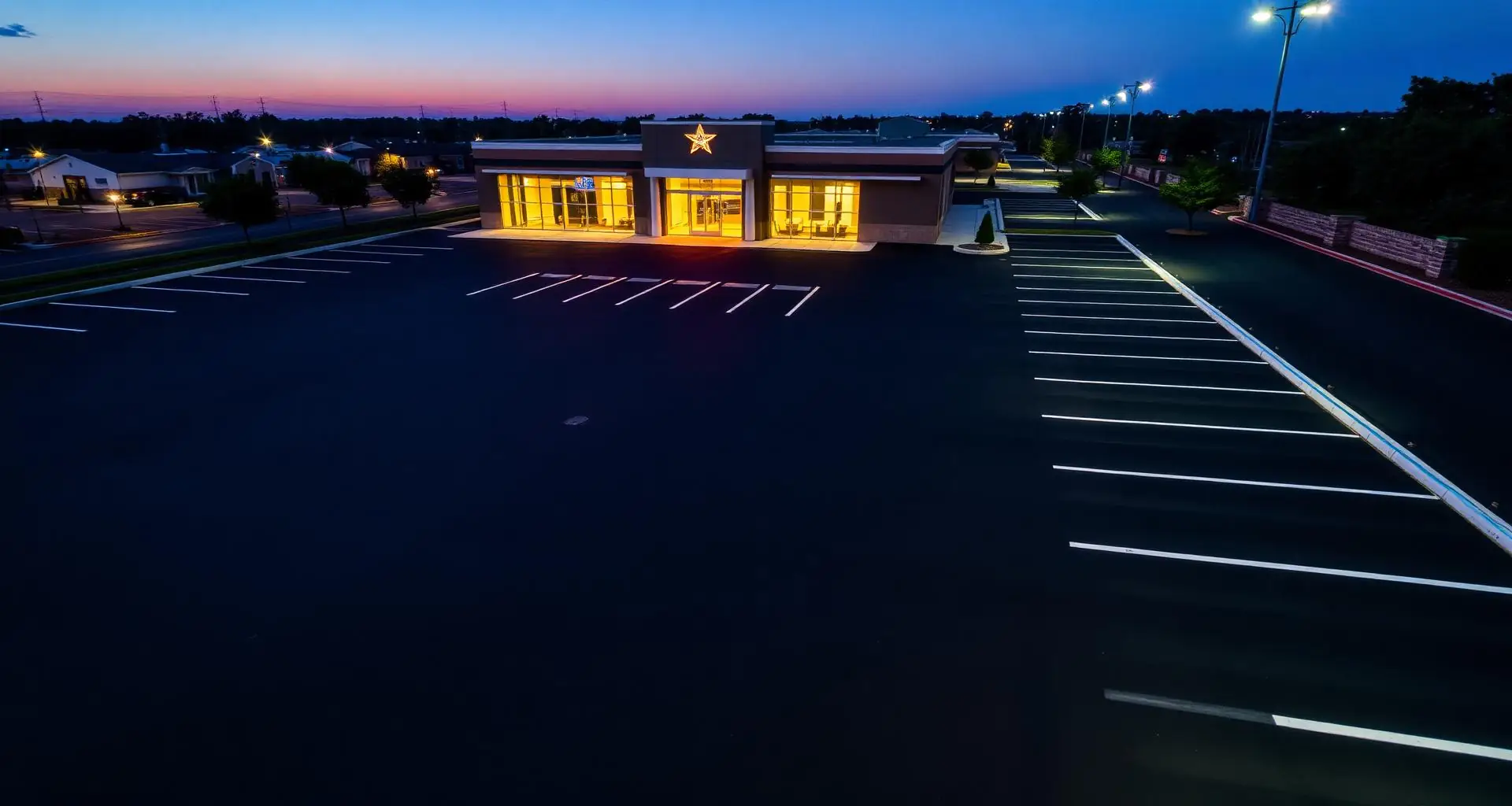
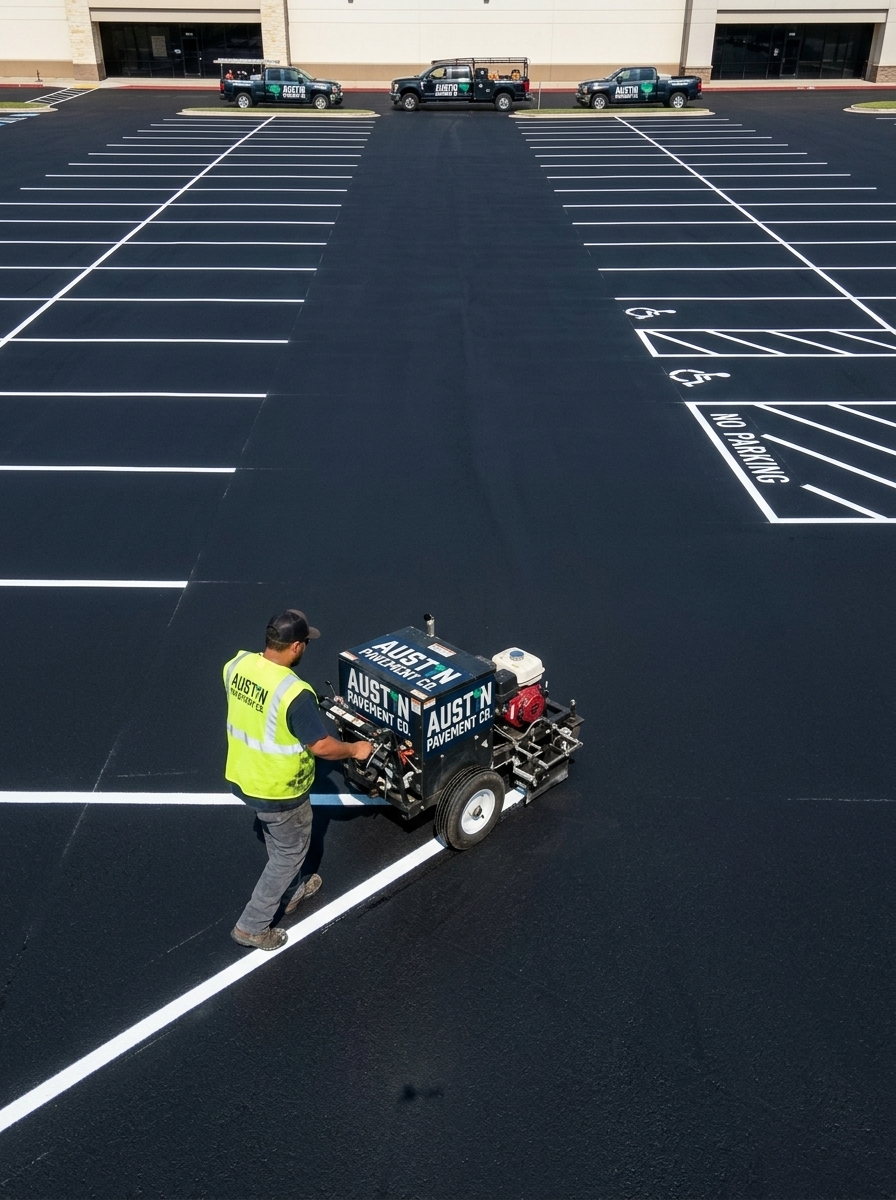
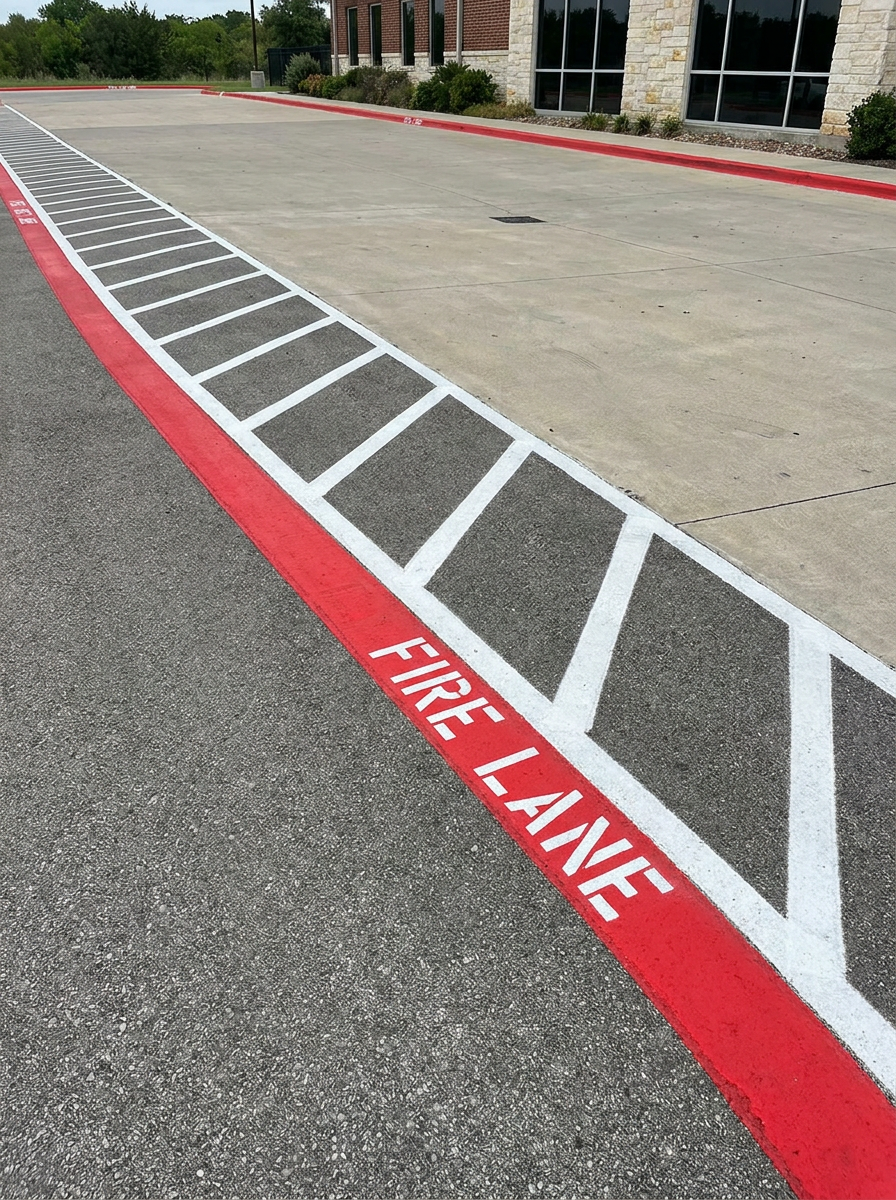
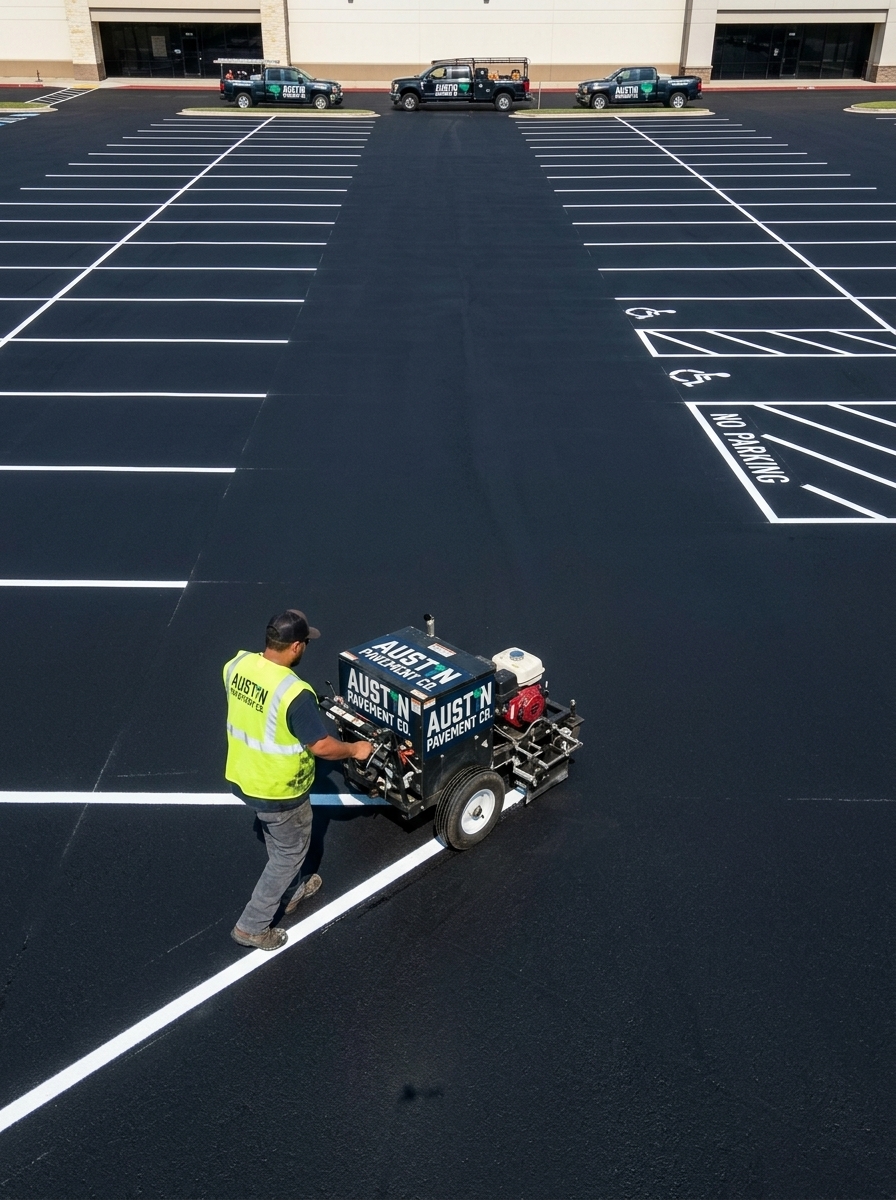
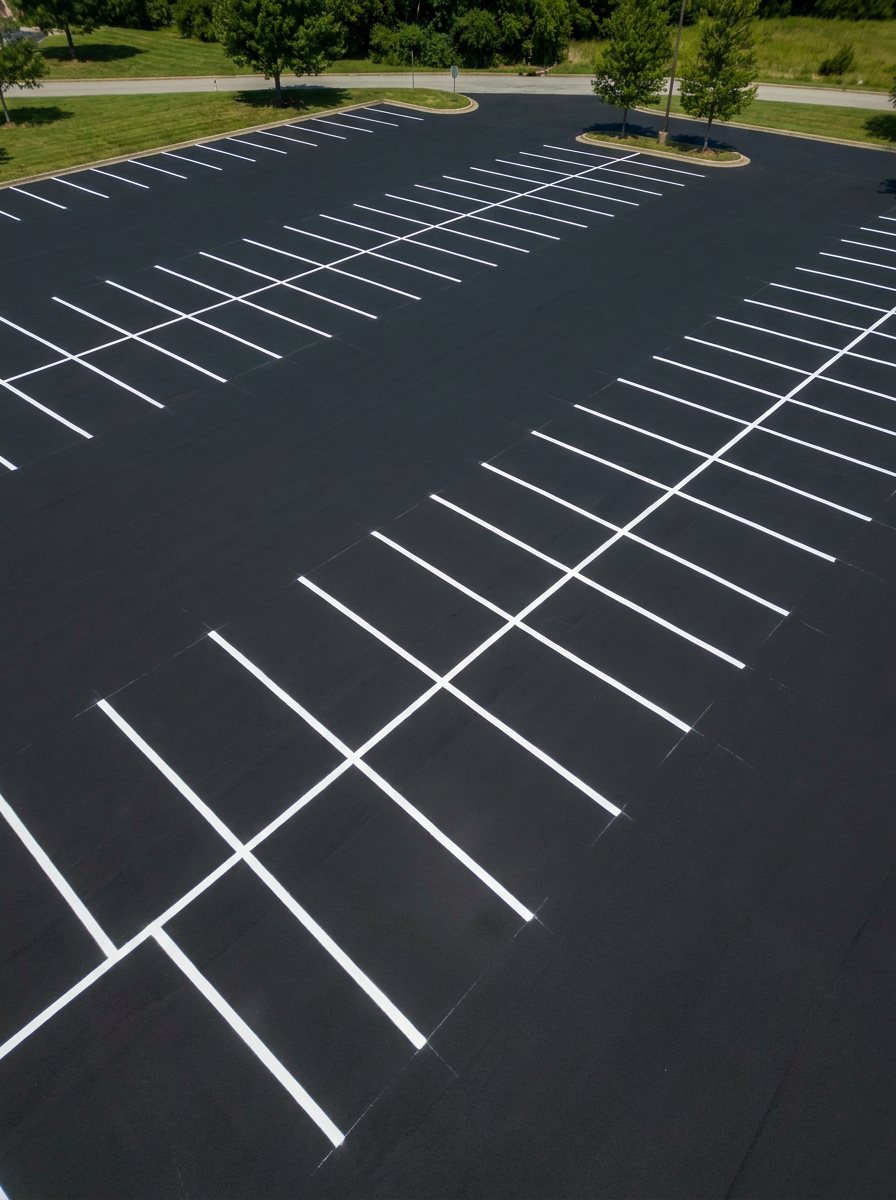
Parking lot striping is the painted layout that turns a slab of asphalt into a functional, safe, and code-compliant parking facility. It includes stall lines, directional arrows, fire lanes, ADA accessible spaces and access aisles, loading zones, crosswalks, and any text or symbols painted on the surface. Done right, striping moves traffic predictably, maximizes usable spaces, and meets every applicable code on the first inspection.

Striping is also one of the most visible parts of your property. Faded, crooked, or missing lines tell tenants and customers that the property isn't being maintained — and they expose owners to liability if accessible spaces aren't compliant or fire lanes aren't legible. Conversely, a freshly striped lot can transform the perceived quality of the property overnight.

Most commercial lots need a full restripe every 2 to 3 years, with high-traffic lots needing it sooner. Pairing restriping with sealcoating extends the life of both — sealer protects the pavement, and a clean, dark surface makes paint pop and stay legible longer.

Signs your lot needs restriping

  • Stall lines are faded, chipped, or no longer clearly visible at night
  • ADA, fire lane, or directional markings are unreadable
  • Lot was recently sealcoated and needs lines reapplied
  • Layout is inefficient and you want to add or reconfigure stalls
  • An ADA complaint, audit, or upcoming inspection has surfaced compliance gaps
  • It has been 2 to 3 years since the last full restripe

Our striping process

See our full process
  1. 1

    Layout & measurement

    We field-measure the lot, confirm stall counts, and validate ADA, fire lane, and aisle requirements. Layout changes are sketched and approved before any paint goes down.

  2. 2

    Surface cleaning

    Surfaces are blown clean of dust and debris. Paint will not adhere to a dirty lot — so this step isn't optional.

  3. 3

    Stencil placement

    Letters, arrows, ADA symbols, and fire lane stencils are precisely positioned and chalked. Re-striping over an existing pattern follows the same process to keep alignment crisp.

  4. 4

    Paint application

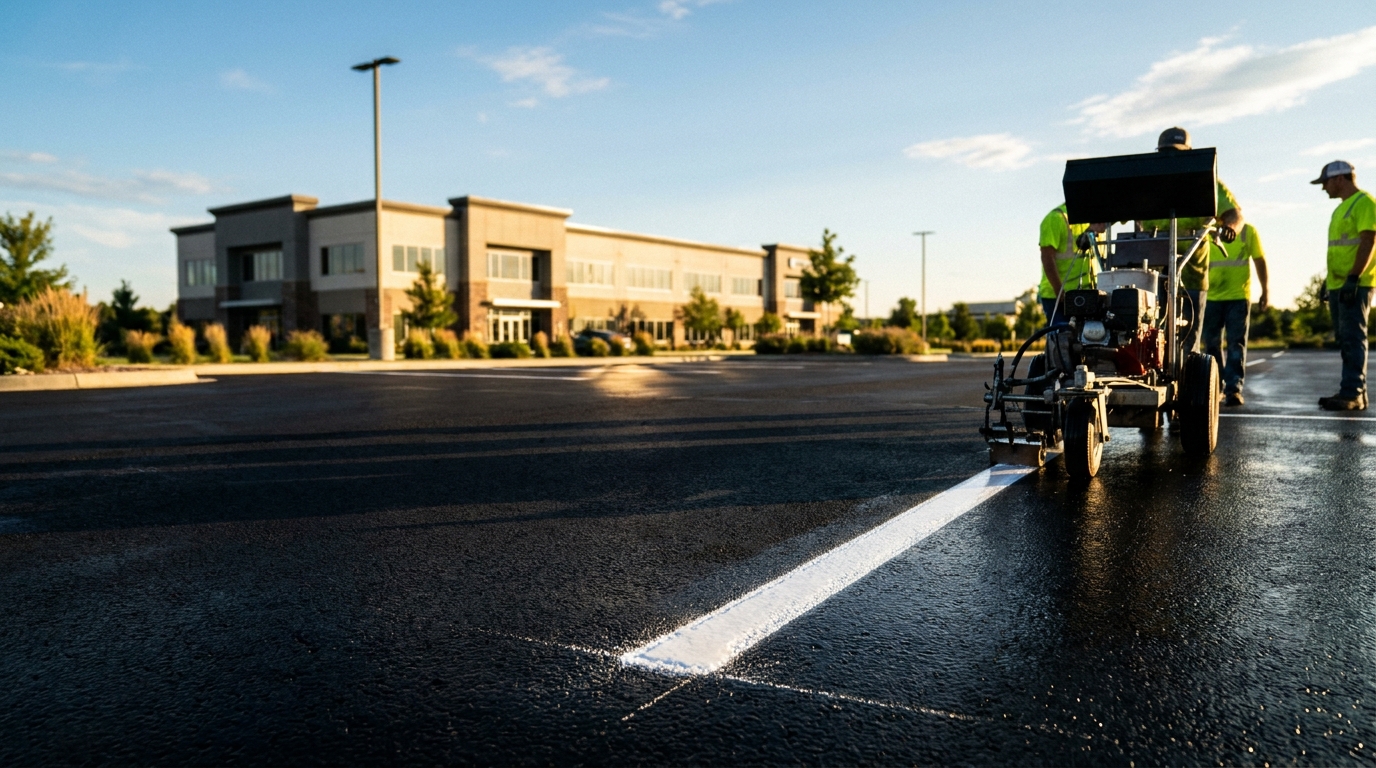
    We apply traffic paint at manufacturer-spec film thickness using line stripers calibrated for consistent line width. Two passes are standard on faded substrates.

  5. 5

    Cure & reopen

    Water-based traffic paint is dry-to-touch in 30 minutes and fully cured in 24 hours. We coordinate the reopening sequence so tenants and traffic are back on schedule.

  6. 6

    Documentation

    Every job ends with photos, paint specs, line counts, and a stall map filed with you for your records and any future audits.

Why Austin Pavement Co.

What makes Austin Pavement Co. different

We use only Austin-compliant materials. See our compliance standards.

ADA & TAS expertise

We design accessible parking layouts that meet Texas Accessibility Standards on the first inspection — not after a callback.

Accurate layout

We field-measure every job. No 'eyeballed' lines, no creative shortcuts that cost you stalls or compliance.

Durable paint

We use commercial-grade traffic paint at proper film thickness — not big-box latex that fades in six months.

Photo documentation

Before and after photos with stall counts and a lot map filed for your records on every job.

Materials

Paint vs. Thermoplastic: The Right Material for Your Lot

Not every lot needs the same striping material. We help you choose based on traffic volume, surface condition, recoating schedule, and budget — then we apply it at the correct spec.

Most Common

Water-Based Traffic Paint

The standard for most commercial parking lots. Fast-drying, cost-effective, and easy to reapply after sealcoating. Best for lots on a 2–3 year sealcoat cycle where lines get reapplied anyway.

Best for
Retail centers, office parks, multifamily lots, any property on a regular sealcoat schedule
Lifespan
1–2 years depending on traffic
Premium Durability

Thermoplastic Markings

A heat-applied material that bonds directly to the pavement surface and lasts 3–8 years. Significantly more durable than paint and highly visible — ideal for high-traffic areas where constant repainting isn't practical.

Best for
Warehouses, distribution centers, loading docks, drive-through lanes, crosswalks, high-traffic commercial entrances, and industrial facilities
Lifespan
3–8 years depending on traffic

Not sure which material is right for your lot? Most commercial properties do well with standard traffic paint on a regular maintenance cycle. We recommend thermoplastic for specific high-wear zones — entrances, exits, truck lanes, and crosswalks — where the longer lifespan justifies the higher upfront cost. We can also mix both on the same lot: thermoplastic where it matters most, paint everywhere else.

Striping FAQ

Bring your lot back into compliance — and back into shape.

Free aerial assessment, condition report, and quote — no obligation.

Get Your Free Assessment
Text us at (512) 580-7804